Gaslighting: Definition, Examples and How to Avoid in Workplace
by Hong Yuan
Sep 30, 2024
at 4:53 PM
Gaslighting. The term itself might conjure up images of flickering lights in a creepy old movie, but the reality of gaslighting is far more insidious. It's a form of emotional abuse that chips away at your sense of self, leaving you questioning your sanity and perception of reality.
What is Gaslighting?
At its core, gaslighting is a deliberate attempt to manipulate someone into questioning their own thoughts, memories, and even their sanity. Perpetrators, often people in positions of power or trust, use various tactics to achieve this.
Types of Gaslighting
Gaslighting can occur in various settings, and the tactics used can be diverse. Here's a breakdown of some common types of gaslighting:
Denial and Trivialization:
Outright Denial: The gaslighter blatantly denies things they said or did, leaving you questioning your memory or reality. ("We never had that conversation!")
Trivialization: They downplay your feelings and concerns, dismissing them as unimportant or overblown. ("You're just being too sensitive about this.")
Shifting Blame and Accountability:
Blame Shifting: The gaslighter twists situations to make you feel responsible for their actions or mistakes. ("If you hadn't been so critical, I wouldn't have yelled.")
Gaslighting by Projection: They accuse you of the very things they are doing, further confusing you and making you question your own behavior. ("You're the one being gaslighting here!")
Confusion and Reality Distortion:
Rewriting History: They distort past events, making you doubt your own memories. ("I loaned you the money, not gave it to you.")
Keeping You Off Balance: They might constantly change plans, goals, or expectations, leaving you feeling disoriented and unsure of what's real.
Isolating and Withholding:
Withholding Affection or Approval: They use emotional manipulation by withdrawing affection or approval as punishment for not complying with their wishes.
Isolating You from Others: They might try to limit your contact with friends, family, or colleagues to control your information and support system.
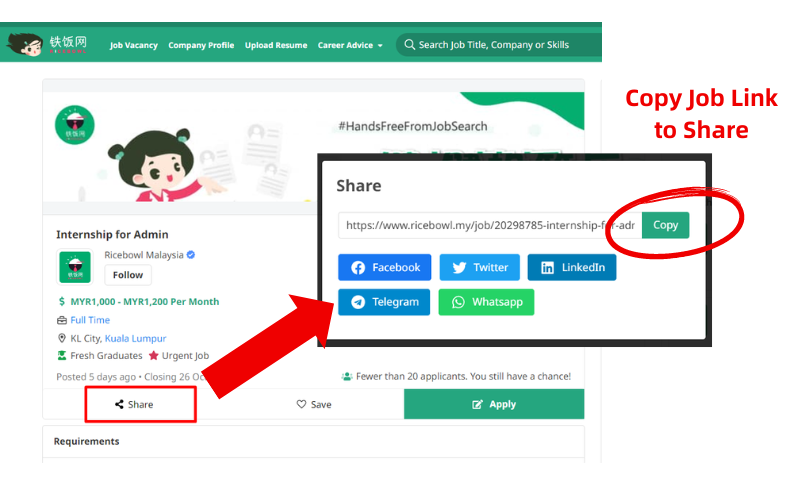
Found a job that looks interesting or perfect for your friends or family?
Just click the "Share" button to easily send the job link to them! Whether it's through Facebook, Twitter, WhatsApp, or any other platform, helping others find their next opportunity has never been easier.
The Impact of Gaslighting
Gaslighting can be incredibly damaging to your mental well-being. Here are some signs you might be experiencing it:
Constant confusion and self-doubt
Difficulty trusting your own judgment
Feeling like you're walking on eggshells
Anxiety and depression
A damaged sense of self-worth
Breaking Free From the Manipulation
If you suspect you're being gaslighted, here are some steps you can take:
Trust Your Gut: Your intuition is often the first to pick up on something being wrong. Don't dismiss your feelings.
Document Everything: Keep a journal to record events and conversations as they happen. This can be helpful in regaining clarity and countering future gaslighting attempts.
Seek Support: Talk to a trusted friend, family member, or therapist. Sharing your experience can help you validate your reality and develop a plan to move forward.
Set Boundaries: Limit contact with the gaslighter if possible. If not, learn to assert yourself and shut down manipulative behavior.
Gaslighting in the Workplace:
Beyond the general types, gaslighting can also manifest specifically in work environments. As mentioned before, here are some examples:
The Micromanaging Gaslighter: Your boss constantly nitpicks your work, questions your every move, and takes credit for your successes. They might downplay your contributions while subtly implying you're not competent.
The "Forgetful" Gaslighter: They deny ever giving you instructions or deadlines, leaving you scrambling to complete tasks and feeling blamed for missed targets. ("I never told you the report was due today!")
The "Sabotage Artist": A colleague might steal your ideas, take credit for your work, and then downplay your abilities to superiors. This can leave you feeling invisible and undervalued.
The "Wolf in Sheep's Clothing": A seemingly supportive superior might shower you with praise initially, then subtly criticize your work later, leaving you confused and questioning your skills.
Protecting Yourself at Work
Gaslighting in the workplace is one of the workplace bullying. The key to tackling gaslighting in your career is to be proactive:
Know the Signs: Be familiar with the tactics mentioned earlier. If something feels off, it probably is.
Document: Keep records of emails, tasks assigned, and conversations. This will create a paper trail to counter future gaslighting attempts.
Find an Ally: Confide in a trusted colleague or mentor who can offer support and validate your experience.
Confront (if Safe): If the situation allows, calmly address the gaslighter's behavior. Focus on specific instances and how their actions make you feel. ("When you take credit for my work, it undermines my confidence.")
Consider HR: If the gaslighting is severe or creates a hostile work environment, report it to Human Resources.
Prioritize Your Well-being: Gaslighting can be draining. Make sure you prioritize self-care to maintain your mental and emotional health.
Sometimes, Leaving is Winning: If the gaslighting is persistent and HR is unhelpful, consider looking for a new job. Your mental health and career deserve a supportive environment.
Remember, gaslighting is a form of abuse. You don't deserve to be manipulated or controlled. By recognizing the signs and seeking help, you can protect yourself and build a healthier career path.