Sushi Chef Job Description
Learn about:
- What is the job scope of a Sushi Chef?
- How much does a Sushi Chef make in Malaysia?
- What are the pros and cons of being a Sushi Chef?
- What qualifications should a Sushi Chef have?
- What skills are needed to be a Sushi Chef?
Sushi Chef Job Scope
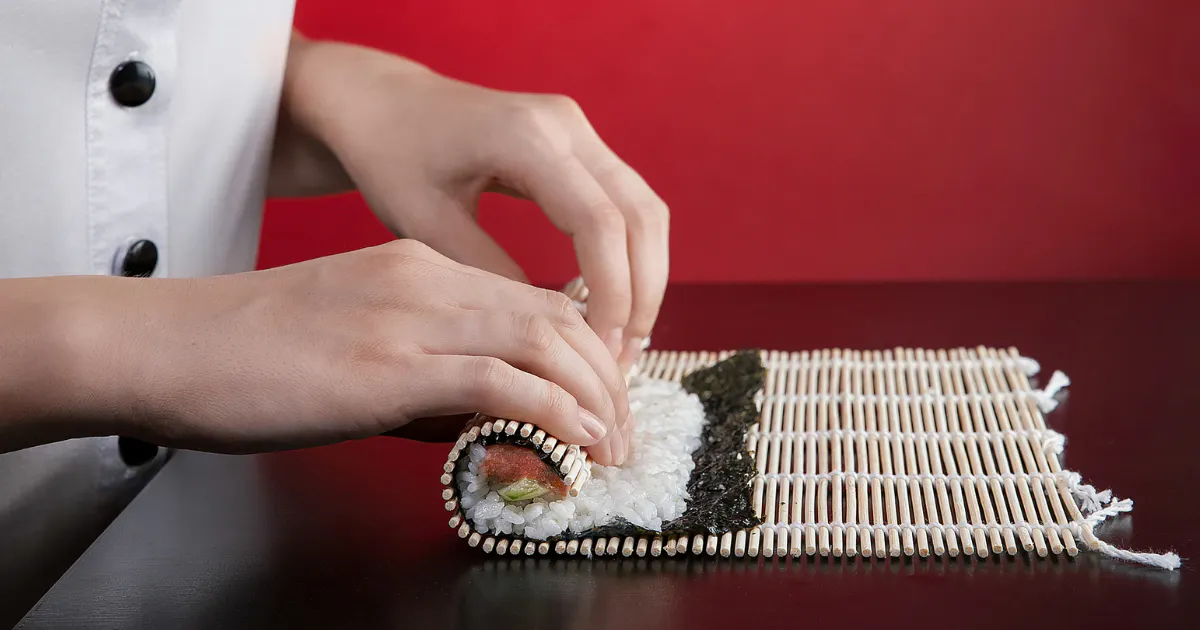
A Sushi Chef is responsible for preparing and presenting sushi, sashimi, and other Japanese dishes while maintaining high standards of food quality, freshness, and hygiene. They carefully select ingredients, prepare seafood, cook sushi rice, and create visually appealing dishes for customers.
Sushi Chefs often work in Japanese restaurants, hotels, fine dining establishments, and sushi chains. They play an important role in ensuring authentic taste, food safety, and a memorable dining experience for guests.
Key Responsibilities
- Prepare sushi, sashimi, maki rolls, nigiri, and other Japanese dishes
- Ensure ingredients are fresh and stored according to food safety standards
- Prepare and season sushi rice according to recipe requirements
- Slice fish and seafood with precision and proper techniques
- Maintain cleanliness and hygiene in the kitchen and food preparation areas
- Monitor inventory levels and order ingredients when necessary
- Ensure consistency in food quality, taste, and presentation
- Assist in developing new menu items and seasonal offerings
Sushi Chef's Salary in Malaysia
Salaries vary depending on experience, restaurant type, and skill level:
- Entry-Level: RM2,500 – RM3,500/month
- Mid-Level: RM3,500 – RM6,000/month
- Senior-Level: RM6,000 – RM10,000+/month
Highly experienced Sushi Chefs working in premium Japanese restaurants, luxury hotels, or international establishments may earn significantly higher salaries.
The Pros and Cons of Being a Sushi Chef
Pros:
- Opportunity to specialise in a respected culinary discipline
- High demand in Japanese restaurants and hospitality establishments
- Creative work involving food presentation and craftsmanship
- Clear career progression into Head Chef or Executive Chef roles
Cons:
- Requires long hours of standing and repetitive food preparation tasks
- Work can be physically demanding and fast-paced
- High attention to detail is required for food quality and presentation
- May need to work weekends, public holidays, and peak dining hours
What Qualifications Should I Have to Become a Sushi Chef
- Certificate or diploma in Culinary Arts, Hospitality, or related fields
- Training or experience in Japanese cuisine is highly advantageous
- Knowledge of food safety and hygiene practices is essential
- Hands-on kitchen experience is often more important than formal qualifications
Skills Needed to Be a Sushi Chef
- Knife Skills – Handle fish and ingredients with precision and safety
- Attention to Detail – Ensure consistency in taste and presentation
- Food Safety Knowledge – Follow hygiene and food handling standards
- Creativity – Present dishes attractively and professionally
- Time Management – Prepare orders efficiently during busy periods
- Teamwork – Work effectively with kitchen staff and restaurant teams
Search for Sushi Chef jobs on Ricebowl
Check out the latest Sushi Chef Vacancies on Ricebowl.
Sushi Chef FAQs
- Do Sushi Chefs need formal culinary training?
Not always. Many Sushi Chefs learn through apprenticeships and hands-on kitchen experience, although culinary education can be beneficial. - Is Japanese language proficiency required?
No. While it can be helpful in some establishments, it is generally not a requirement. - What's the difference between a Sushi Chef and a regular Chef?
A Sushi Chef specialises in Japanese cuisine, particularly sushi and sashimi preparation, which requires unique techniques and skills. - Is experience important for this role?
Yes. Employers often prioritise practical experience and knife skills when hiring Sushi Chefs. - What’s the career path for a Sushi Chef?
Career progression includes Senior Sushi Chef, Head Sushi Chef, Sous Chef, Executive Chef, or opening a personal restaurant business.
Final Thoughts
A Sushi Chef plays a vital role in delivering authentic Japanese dining experiences through skill, precision, and creativity. For individuals who are passionate about Japanese cuisine and enjoy hands-on culinary work, this career offers rewarding opportunities and long-term growth within the hospitality industry.
How much salary should I get?
Popular in Ricebowl











Popular Jobs