Electrical Engineer Job Description
Learn about:
- Electrical Engineer Job Scope
- How much does an Electrical Engineer make in Malaysia?
- What are the Pros and Cons of being an Electrical Engineer?
- What qualifications should I have to become an Electrical Engineer?
- Skills Needed to be an Electrical Engineer
Electrical Engineer Job Scope
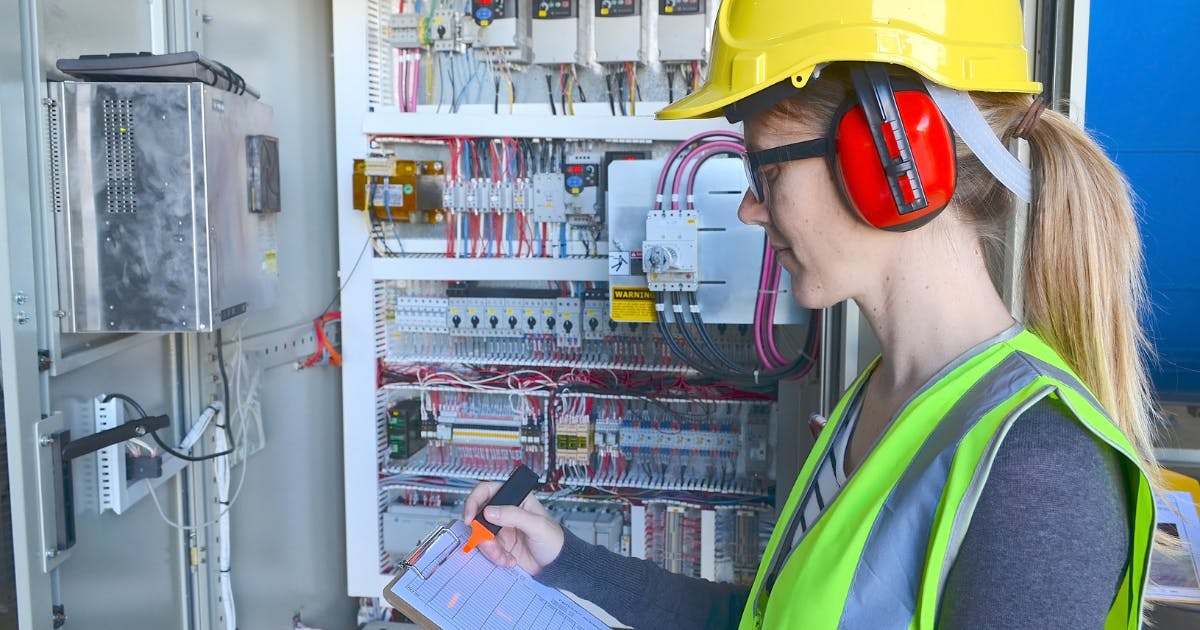
Your job as an electrical engineer is responsible for designing, developing, and maintaining electrical systems and components to the required specifications. Electrical engineers work on a diverse range of projects, from household appliances to large-scale electrical power stations. Their duties include creating electrical systems and components to meet specific requirements, ensuring that electrical equipment operates efficiently and safely, overseeing the installation and commissioning of electrical systems, diagnosing and fixing issues in electrical systems, ensuring compliance with safety standards and regulations, and preparing technical reports, manuals, and documentation.
How much does an Electrical Engineer make in Malaysia?
The salary for electrical engineers in Malaysia varies depending on experience, qualifications, and location.
On average, an entry-level electrical engineer earns between RM 2,500 and RM 3,500 per month, which translates to an annual salary of approximately RM 30,000 to RM 42,000. Mid-level engineers, with several years of experience, typically earn between RM 4,000 and RM 6,000 per month, or around RM 48,000 to RM 72,000 annually. For senior-level electrical engineers with over ten years of experience, the average monthly salary ranges from RM 7,000 to RM 10,000, equating to an annual salary of approximately RM 84,000 to RM 120,000.
These figures can vary based on factors such as company size, industry, and education level.
Interested in Electrical Engineer Salary? Check out Ricebowl Salary Checker for the Latest Electrical Engineer Salary!
What are the Pros and Cons of being an Electrical Engineer?
Pros
- High Demand: Electrical engineers are in demand across various industries, providing job stability.
- Good Salary: The profession offers competitive salaries and benefits.
- Diverse Opportunities: Electrical engineers can work in multiple sectors, including telecommunications, power generation, and manufacturing.
- Innovation: The field offers opportunities to work on cutting-edge technologies and innovations.
Cons
- Stressful Work: Meeting deadlines and ensuring the safety and efficiency of electrical systems can be stressful.
- Continuous Learning: Rapid technological advancements require continuous education and training.
- Work Environment: Engineers may work in challenging environments, such as construction sites or power plants.
What qualifications should I have to become an Electrical Engineer?
To become an electrical engineer in Malaysia, you need:
- Educational Background: A bachelor’s degree in electrical engineering or a related field is essential.
- Professional Certification: Certification from the Board of Engineers Malaysia (BEM) is highly recommended.
- Relevant Experience: Internships or work experience in the field can enhance your job prospects.
- Advanced Degrees: A master’s degree or Ph.D. can lead to higher positions and specialized roles.
Skills Needed to be an Electrical Engineer
- Technical Knowledge: Strong understanding of electrical systems, circuits, and electronics.
- Problem-Solving Skills: Ability to diagnose and solve complex electrical issues.
- Analytical Skills: Proficiency in analyzing data and designing efficient systems.
- Communication Skills: Effective communication for teamwork and reporting.
- Project Management: Ability to manage projects, timelines, and budgets.
- Attention to Detail: Precision is crucial in designing and maintaining electrical systems.
Becoming an electrical engineer in Malaysia offers numerous opportunities and rewards, making it a viable career choice for those interested in this field.
Search for Electrical Engineer jobs on Ricebowl
Electrical Engineer jobs FAQs
1. What industries employ Electrical Engineers?
Electrical engineers are employed in various industries, including power generation and distribution, telecommunications, manufacturing, electronics, automotive, aerospace, and construction. Their expertise is essential in any industry that relies on electrical systems and components.
2. How can I advance my career as an Electrical Engineer?
To advance your career as an electrical engineer, consider gaining additional certifications, pursuing advanced degrees, and acquiring specialized skills. Gaining experience through diverse projects and roles, networking with professionals in the field, and staying updated with the latest technological advancements can also help you progress in your career.
3. Is electrical engineering a stressful job?
Electrical engineering can be stressful due to the need to meet tight deadlines, manage complex projects, and ensure the safety and efficiency of electrical systems. The pressure to solve critical issues and the responsibility of maintaining compliance with safety standards can also contribute to the stress. However, proper time management, experience, and a supportive work environment can help mitigate these stressors.
4. Is electrical engineering a good career?
Yes, electrical engineering is a good career. It offers high demand, competitive salaries, and diverse opportunities across various industries. The field allows for innovation and working on cutting-edge technologies. Additionally, electrical engineers often enjoy job stability and career growth prospects. Despite some challenges, the rewards and opportunities in this profession make it a worthwhile career choice.
How much should I get paid?
Jobs You May Interested
Companies You May Interested
Popular in Ricebowl












Popular Jobs






Internship For Electrical Engineer



Internship For Assistant Electrical Engineer

Internship For Electrical Engineering Assistant