How to Create a Graphic Design Portfolio
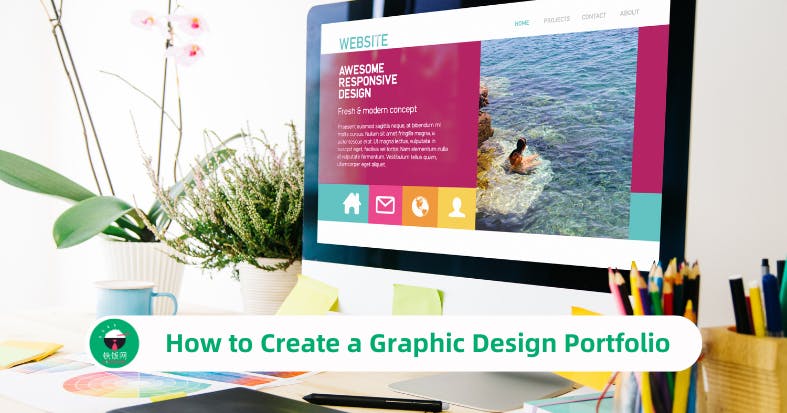
Creating a graphic design portfolio is a crucial step for any designer. It showcases your skills, creativity, and versatility, helping you land new opportunities. In this article, we’ll cover what a graphic design portfolio is, how to create one, and the types of portfolios you can develop.
What is a Graphic Design Portfolio?
A graphic design portfolio is a collection of your best work that represents your skills, style, and experience as a designer. It’s a visual resume that potential clients or employers review to understand your capabilities. A well-crafted portfolio can make a strong impression, demonstrating not only your technical skills but also your ability to solve design challenges creatively.
Read More: What is Graphic Design? Things You Need to Know
How to Create a Portfolio for Graphic Design (Step-by-step)
- Choose Your Best Work: Start by selecting projects that showcase your range of skills. Include a mix of different types of work, such as logos, brochures, websites, or social media designs. Quality is more important than quantity, so only feature pieces that you are proud of.
- Organize Your Projects: Arrange your work in a logical order. You can start with your most recent projects or group them by type, such as branding, print, or digital design. Each project should tell a story, including the challenge you faced, the process you followed, and the final outcome.
- Add Descriptions: For each project, include a brief description. Explain the client’s needs, your role in the project, and the tools or techniques you used. This helps viewers understand the context of your work and the impact of your designs.
- Showcase Your Process: If possible, include sketches, wireframes, or mockups to show how you developed your designs. This demonstrates your problem-solving skills and creative thinking.
- Keep It Simple: Your portfolio should be easy to navigate. Use a clean layout with plenty of white space to let your work shine. Avoid clutter and unnecessary graphics that can distract from your designs.
- Choose the Right Platform: You can create a physical portfolio, a PDF, or a digital portfolio on platforms like Behance, Dribble, or your website. Choose a format that best suits your work and the audience you’re targeting.
- Update Regularly: Keep your portfolio current by adding new work and removing outdated projects. An up-to-date portfolio reflects your latest skills and experiences.
You may interested: How to Write a Graphic Designer Resume? (Example & Sample)
Types of Graphic Design Portfolios
- Print Portfolio: A physical book or binder with printed versions of your work. This type is ideal for in-person interviews or meetings where you want to leave a tangible impression.
- Digital Portfolio: A website or online portfolio hosted on platforms like Behance, Dribble, or your domain. Digital portfolios are accessible to a global audience and can include interactive elements, videos, or animations.
- PDF Portfolio: A digital file that can be easily shared via email or downloaded from your website. It’s a good option if you want to send your portfolio directly to potential clients or employers.
A well-constructed graphic design portfolio is your gateway to new opportunities. By selecting your best work, organizing it thoughtfully, and choosing the right format, you can create a portfolio that effectively showcases your talents and helps you stand out in a competitive field.