Barista Job Description
Learn about:
- What does a Barista do?
- How do I become a Barista?
- What is the market salary for a Barista?
- What are the skills a Barista should have?
- What are the qualifications a Barista should have?
Barista Job Scope
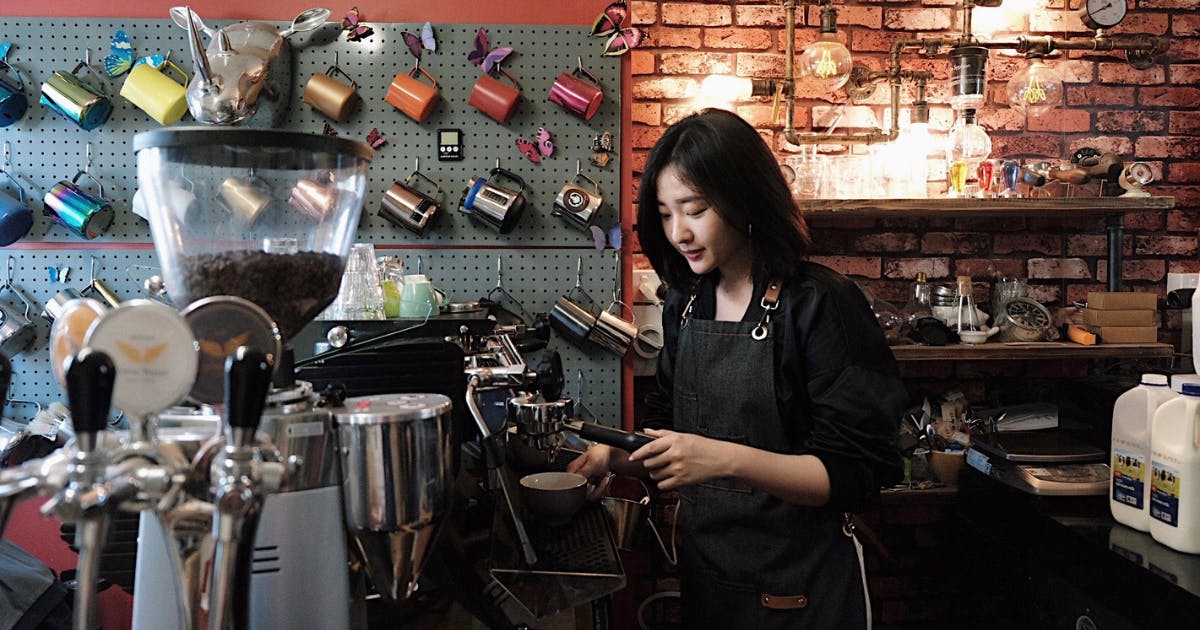
Your job involves crafting the perfect cup of coffee for each customer, ensuring an exceptional experience in every sip. As a barista, you are responsible for operating various coffee-making equipment, grinding coffee beans, and brewing a diverse range of coffee beverages, including espressos, lattes, cappuccinos, and speciality drinks. You meticulously measure ingredients, steam milk to perfection, and create intricate latte art, showcasing your artistic skills. Beyond coffee preparation, you maintain a clean and organized workspace, replenish supplies, and handle cash transactions with accuracy and efficiency. Customer service is paramount; you engage with patrons, understand their preferences, and provide personalized recommendations. Additionally, you stay updated with coffee trends, continually refining your techniques to deliver an outstanding coffee experience. Your role extends to creating a warm, welcoming ambience in the café, where customers can relax and enjoy their favourite brews, making each visit a delightful and memorable one.
Types of Barista
- Roasting Barista: Responsible for roasting coffee beans, mastering the impact of different roasting levels on flavour and ensuring the best quality of the beans.
- On-site Barista: Make various coffee drinks on-site at the cafe, interacting with guests and providing a personalised coffee experience.
- Competition Barista: Participate in coffee competitions to demonstrate coffee-making skills and creativity, representing a café or team.
- Coffee Trainer: Responsible for training new baristas and imparting coffee-making skills, knowledge and professionalism.
- Drawing Artist: Specialising in drawing patterns and designs on the surface of coffee to add visual aesthetics to the coffee.
- Coffee Tasters: Specialise in tasting, evaluating and describing the flavour characteristics of coffee, providing expert advice on coffee selection.
- Coffee Consultant: Provide coffee consultancy and advice to coffee shops or catering businesses on coffee, including coffee varieties and equipment sourcing.
- Coffee Researcher: Scientific coffee research, studying the origin, varieties, and processing of coffee.
- Café Manager: Responsible for the operation and management of the café, including staffing, supply chain management, and customer service.
- Coffee Culture Communicators: Communicate coffee culture through writing, lectures, and social media to enhance public awareness and understanding of coffee.
How much does a Barista make in Malaysia?
The market salary for a Barista in Malaysia varies based on several factors, including location, experience, and the type of establishment. On average, Baristas earn a monthly salary ranging from RM 1,800 to RM 2,500, leading to an annual income between RM 21,600 and RM 30,000. In bustling urban centres like Kuala Lumpur or Penang, where the cost of living is higher, salaries might be at the upper end of this scale. Experience and skills also significantly determine the salary, with seasoned Baristas or those with specialized training often earning higher wages. Additionally, employment in renowned coffee chains or upscale cafes might offer better compensation packages and additional benefits, contributing to a more competitive salary for Baristas in these establishments.
Pros and Cons of a Barista
Pros:
- Creativity: Baristas often have the opportunity to create new and unique coffee recipes, showcasing their creativity in latte art and speciality beverages.
- Customer Interaction: Baristas interact with diverse customers, providing opportunities for building social skills and forming connections.
- Skill Development: Baristas learn valuable skills related to coffee preparation, equipment handling, and customer service, which can be transferable to other jobs.
- Flexible Hours: Many cafes offer flexible working hours, making it suitable for students or individuals with other commitments.
- Team Environment: Working in a café fosters a sense of camaraderie among team members, creating a supportive work environment.
Cons:
- Demanding Customers: Dealing with demanding or rude customers can be challenging, requiring patience and excellent communication skills.
- Stressful Rush Hours: Peak hours in cafes can be extremely busy and stressful, requiring Baristas to work quickly and efficiently under pressure.
- Physical Strain: Baristas spend long hours on their feet, often performing repetitive tasks, which can lead to physical strain and fatigue.
- Limited Advancement: Career advancement opportunities within the field might be limited without additional education or specialization.
- Low Wages: Entry-level Barista positions often offer relatively low wages, especially in smaller or independent cafes, which might not be sufficient for some individuals given the cost of living.
What qualifications should I have to become a Barista?
To become a Barista in Malaysia, you will typically need the following qualifications:
- Minimum Education: A high school diploma or equivalent is typically required, although formal education beyond this level is not mandatory.
- Barista Training: Completing a barista training program or obtaining a certification in coffee preparation and brewing techniques is advantageous. Many specialized courses are available both online and at local training centres.
- Food Safety Knowledge: Understanding food safety regulations and guidelines is crucial as baristas handle food and beverage products.
- Customer Service Skills: Good interpersonal skills, including active listening and empathy, are essential for providing excellent customer service.
- Language Proficiency: Proficiency in English and local languages is important for effective communication with customers and colleagues.
- Attention to Detail: Baristas must pay close attention to details, ensuring each beverage is prepared according to the customer's specifications.
- Physical Stamina: The job requires standing for long periods, lifting heavy containers of coffee beans, and operating various coffee machines, demanding physical endurance.
Skills Needed to be a Barista
- Coffee Knowledge: A deep understanding of different coffee types, origins, roasts, and brewing methods is vital for creating diverse coffee experiences.
- Espresso Machine Proficiency: Skill in operating espresso machines, adjusting grind settings, and pulling consistent shots of espresso is fundamental.
- Latte Art: Mastering latte art techniques adds an aesthetic touch to beverages, enhancing the customer experience.
- Time Management: Efficiently managing time during busy hours ensures timely service and customer satisfaction.
- Communication: Clear communication with customers and colleagues is necessary to understand orders and work well in a team.
- Problem-Solving: Baristas should be able to troubleshoot issues with coffee machines and other equipment, ensuring minimal disruption during operations.
- Sales Skills: Basic sales skills, including suggestive selling and upselling, can enhance revenue generation for the café.
- Multitasking: The ability to handle multiple tasks simultaneously, such as brewing coffee, attending to customers, and handling payments, is valuable in a busy café setting.
Search for Barista jobs on Ricebowl
Barista FAQs
Question 1: What's the best way to start a career as a barista?
Answer: A basic barista course can provide essential skills and knowledge. Many coffee shops also offer on-the-job training, allowing beginners to learn the ropes from experienced baristas.
Question 2: How important is customer service in the role of a barista?
Answer: Customer service is paramount for baristas. Building a rapport with customers, remembering their preferences, and ensuring a positive experience contribute significantly to customer loyalty and the café's reputation.
Question 3: What must I know about coffee allergies and dietary preferences as a barista?
Answer: Baristas should be well-informed about different types of milk alternatives, such as soy, almond, or oat milk, for customers with lactose intolerance or dietary preferences. Awareness of potential allergens in syrups or flavourings is also crucial.
Question 4: How do baristas keep up with the latest coffee trends and innovations?
Answer: Baristas often attend coffee festivals, workshops, and training sessions organized by coffee companies and associations. Following reputable coffee blogs, podcasts, and social media accounts of industry experts also helps baristas stay updated.
Question 5: What sustainability practices are common in the coffee industry, and how can baristas contribute?
Answer: Sustainability is vital. Many cafés now focus on eco-friendly practices such as using reusable cups, sourcing fair-trade coffee, and reducing waste. Baristas can actively support these initiatives by encouraging customers to use reusable cups and properly recycling or composting waste.
How much should I get paid?
Popular in Ricebowl












Popular Jobs