Artist Job Description
Learn about:
- What does an Artist do?
- How do I become an Artist?
- What is the market salary for an Artist?
- What are the skills an Artist should have?
- What are the qualifications an Artist should have?
Artist Job Scope
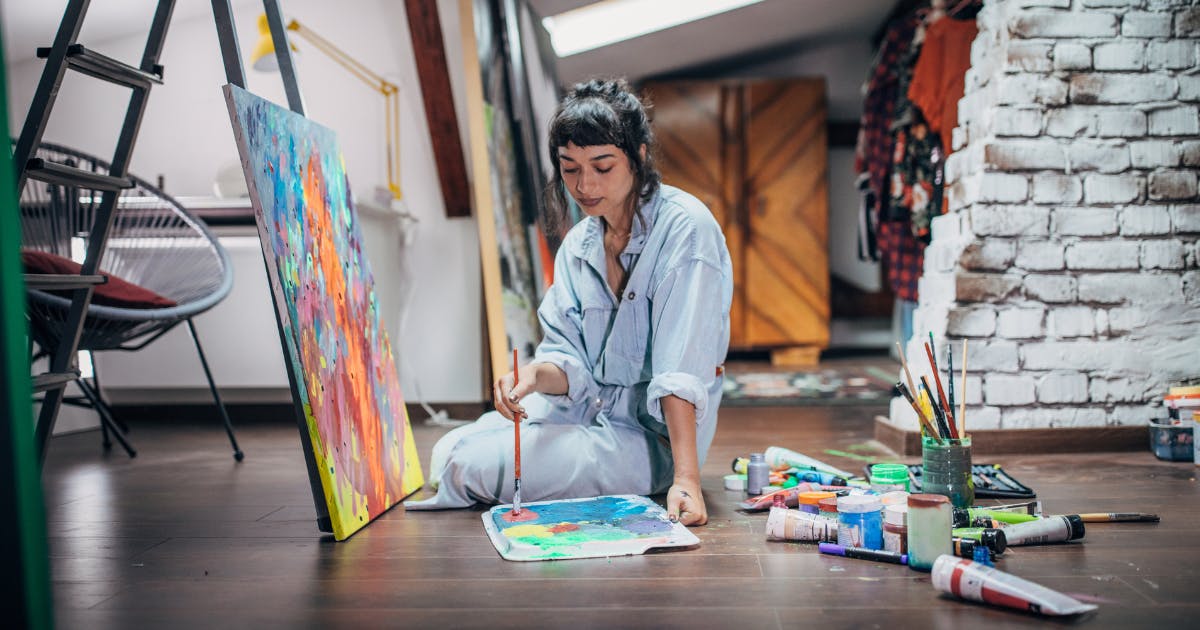
Your job involves expressing creativity and emotion through various mediums like painting, sculpture, drawing, or digital art. As an artist, your role extends beyond the act of creation; it encompasses conceptualizing ideas, selecting materials, and employing different techniques to produce visually engaging and thought-provoking works. You might specialize in a particular style, theme, or medium, showcasing your unique perspective through exhibitions, galleries, or commissioned projects. Additionally, artists often continuously learn, research new trends, experiment with innovative methods, and network within the art community to expand their skills and broaden their audience. Your job involves crafting art and communicating messages, emotions, and stories to captivate and inspire viewers.
Salary and Wages for an Artist
The market salary for an Artist in Malaysia spans a broad spectrum, influenced by factors like experience, expertise, specialization, and geographic location. Entry-level artists might start around RM 2,000 to RM 3,500 monthly, with mid-level artists averaging RM 3,500 to RM 5,000 per month. However, highly skilled or specialized artists, particularly in areas like digital art or multimedia design, could earn between RM 5,000 to RM 10,000 or more monthly. Annually, this translates to an average range of RM 24,000 to RM 60,000. Income stability can vary for freelance artists based on project availability, while those employed by creative firms or design studios might enjoy more stable incomes with added benefits like healthcare and bonuses. Ultimately, an artist's earnings in Malaysia reflect the diverse talents and market demands within the country's artistic landscape.
Pros and Cons of being an Artist
Pros:
- Creativity and Expression: Artists have the freedom to express their creativity and emotions through their work, allowing for personal fulfilment and self-expression.
- Flexible Schedule: Many artists enjoy flexible working hours, enabling them to organize their time around their creative process or personal life.
- Diverse Opportunities: The field of art is vast, offering various opportunities in fields like painting, sculpture, digital art, illustration, and more.
- Personal Fulfillment: Creating art can be deeply rewarding, providing a sense of accomplishment and satisfaction when a piece is completed.
- Potential for Recognition: Successful artists may gain recognition, awards, or fame, providing validation and visibility for their work.
Cons:
- Financial Instability: Income can be irregular, especially for freelance artists, with periods of feast or famine depending on project availability and sales.
- Competitive Field: The art world can be highly competitive, requiring artists to stand out among numerous talented individuals.
- Subjectivity of Success: Success in art is subjective and can be challenging to measure, leading to uncertainty and self-doubt.
- Balancing Creativity and Commercialism: Some artists face challenges in balancing their creative vision with commercial demands, especially when catering to market preferences.
- Emotional Investment: Art creation can be emotionally draining, particularly if the artist's work is deeply personal or emotionally charged.
What qualifications should I have to become an Artist?
To become an Artist in Malaysia, you will typically need the following qualifications:
- Education: While not always mandatory, a formal education in fine arts, visual arts, graphic design, or a related field from a recognized institution or art school can provide a solid foundation.
- Portfolio: Building a diverse and impressive portfolio showcasing various styles, techniques, and mediums is crucial for demonstrating artistic abilities.
- Continuous Learning: Art is an evolving field; artists often benefit from continuous learning, attending workshops, courses, or seminars to refine skills and stay updated with trends and techniques.
- Networking: Establishing connections within the art community, participating in exhibitions, and engaging with galleries or art institutions can provide exposure and opportunities.
- Specialization: Some artists may benefit from specializing in a particular medium (e.g., oil painting, digital art) or style (e.g., abstract, realism) to establish a unique identity in the art world.
Skills Needed to be an Artist
- Creativity: An innate ability to think creatively and generate original ideas is fundamental for artists to produce unique and compelling artwork.
- Technical Proficiency: Mastery of artistic techniques, whether in painting, sculpting, digital illustration, or other mediums, is essential to bring creative visions to life.
- Adaptability: Being open to experimenting with new mediums, styles, and technologies allows artists to evolve and stay relevant in a dynamic art scene.
- Attention to Detail: Having a keen eye for detail helps refine artwork, ensuring the finished piece's precision and quality.
- Communication Skills: Artists should effectively communicate their artistic concepts and ideas, whether to clients, gallery owners, or the public, to convey the narrative behind their work.
- Business Acumen: For freelance artists, basic business skills such as marketing, budgeting, and negotiation are crucial to managing their careers effectively.
- Time Management: Meeting deadlines, managing multiple projects, and allocating time efficiently between creative work and administrative tasks are vital for a successful artist.
Search for Artist jobs on Ricebowl
Artist FAQs
Question 1: Is formal education necessary to become a successful artist?
While formal education can provide a strong foundation, it's not a strict requirement. Many successful artists are self-taught or have pursued alternative paths, emphasizing practical experience, mentorship, and continuous learning.
Question 2: What avenues exist for artists to sell their work beyond traditional galleries?
Apart from galleries, artists can sell their work through online platforms like Etsy, social media, art fairs, local markets, or by collaborating with businesses for commissioned pieces or art installations.
Question 3: How do artists handle copyright and intellectual property concerns for their work?
Artists can protect their work through copyright registration. Additionally, maintaining records of creation dates, keeping digital backups, and using watermarking or digital signatures can help safeguard their intellectual property.
Question 4: Are there grants or funding opportunities available for emerging artists in Malaysia?
Yes, various grants, scholarships, and funding programs are offered by governmental bodies, art institutions, and non-profit organizations to support emerging artists in Malaysia. These opportunities can provide financial assistance, residencies, or exhibition opportunities.
Question 5: Can an artist's style evolve over time, and how does this impact their career?
Absolutely, an artist's style can evolve as they experiment with new techniques, themes, or mediums. While some artists might worry about losing their audience or identity, evolving styles often contribute to growth, attracting new audiences and expanding the artist's creative horizons.