15 Job Interview Pitfalls to Avoid
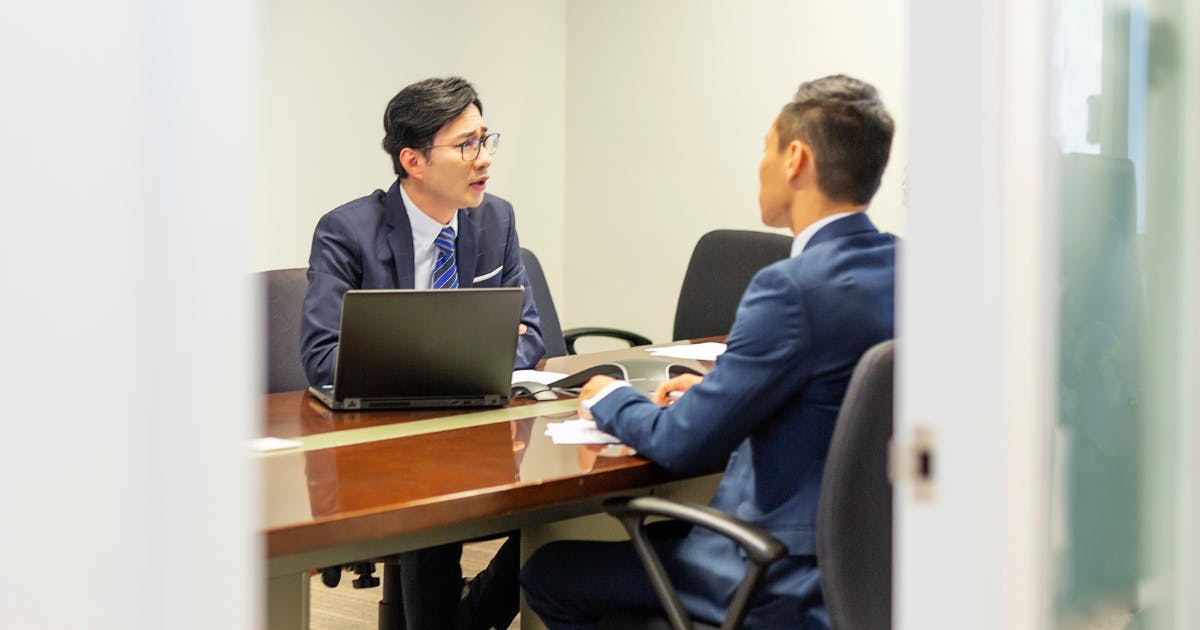
Imagine yourself standing at the entrance of an elaborate maze, eager to reach the treasure that awaits at its centre. This maze represents the job interview process; the treasure is the coveted position you aim for. Just as you would only randomly wander through the maze with a strategy, approaching a job interview without knowing the common pitfalls can lead you astray.
Much like navigating a maze, acing a job interview requires careful planning, a clear path, and the avoidance of missteps. Just as you would want to avoid slamming into a dead end or taking a wrong turn, making inevitable mistakes during an interview can derail your chances of success.
So, let's uncover the 15 pitfalls you'll want to avoid, ensuring that your journey through the maze leads you to the treasure you seek – that dream job that awaits your talents and contributions.
1. Arriving Late
Showing up on time is not just polite, but it also reflects professionalism and respect for the interviewer's schedule. Being late can give off the wrong impression and make them think you need to be more organized and reliable, which is not the best way to start an interview. So, plan your commute and allow extra time for any surprises along the way!
2. Dressing Inappropriately
When it comes to dressing for a job interview, it's always a good idea to dress professionally and make sure your clothing aligns with the company's culture and the position you're applying for. Avoid overly casual or revealing clothing, and ensure everything is clean, pressed, and looking sharp.
3. Forgetting Your Resume and References
Be sure to bring multiple copies of your updated resume and a list of references. This way, you'll show off your preparation skills and organizational abilities, which will leave a great impression on the interviewer. Reliability: Clients need to be able to rely on you to deliver your work on time and to a high standard.
Read more: Developing Effective Leadership Skills
4. Fidgeting or Slouching
Remember to sit up straight, make eye contact, and show interest with a positive and engaged attitude. It is for you to avoid coming across as nervous or disinterested.
5. Using Poor Grammar and Language
Speak clearly and concisely, using proper grammar and avoiding slang or jargon. Express your thoughts articulately, demonstrating your communication skills and ability to represent the company effectively.
6. Answering Superficially or Rambling
Be sure to prepare for common interview questions, but remember to be mindful about sounding robotic. Instead, share thoughtful and relevant answers and back them up with real-life examples from your experience.
Read more: How to Create a Portfolio to Showcase Your Skills to Employers
7. Asking Salary or Benefits Questions Prematurely
Focus on discussing your skills and suitability for the role during the initial interview stages. Avoid asking about salary or benefits too early, as this can make you appear financially motivated rather than genuinely interested in the position. Take your time.
8. Bad-mouthing Your Previous Employer
Maintaining a confident and positive attitude when speaking about your former employer, colleagues, or work environment is crucial. This highlights your professionalism and showcases your ability to handle any difficult situation easily and assertively.

9. Asking Inappropriate Questions
Avoid asking questions that are easily answered through research or demonstrate a lack of understanding of the company or the role. Focus on asking insightful questions that demonstrate your genuine interest and engagement.
10. Using Your Phone or Electronic Devices
Show respect for the interviewer's time and attention by refraining from using electronic devices during the interview. This simple act can make a big difference in how you are perceived and may help you stand out as a thoughtful and engaged candidate.
Read more: In-Demand Freelance Jobs in Malaysia
11. Talking Excessively About Yourself
When you're in an interview, it's natural to want to talk about all the great things you bring to the table. But remember, it's not all about you! Take the time to listen to the interviewer's questions and craft your responses to show you're an excellent fit for the job. It'll go a long way!
12. Failing to Ask Questions
Preparing a few thoughtful questions about the company, position, or industry is crucial to making the best impression on the interviewer. This will demonstrate your strong desire to learn more, show your engagement, and underscore your genuine interest in the opportunity.
13. Giving Unsolicited Advice or Criticism
Avoid offering unsolicited advice or criticism when interacting with the company and its operations. Providing such feedback without being asked can be perceived as lacking tact and may potentially harm your chances of success.
Compare your current salary with Salary Checker
14. Not Following Up After the Interview
Sending a thoughtful thank-you note within 24 hours expressing gratitude for the interviewer's time and reiterating your interest in the position is a professional way to demonstrate your follow-through.
15. Lacking Enthusiasm or Confidence
Demonstrate your passion and belief in your capabilities by projecting a positive and confident attitude. Let the interviewer know that you are eager to become a part of the team and add value to the company's achievements.