UI and UX Design: What's the Differences between UI and UX?
by Hong Yuan
Aug 13, 2024
at 2:21 PM
UI and UX are two distinct areas of web and product design, but they’re often confused with one another. Although these fields will keep evolving, especially user experience design, it’s crucial to know the specific roles these designers play. Understanding the key differences can help you decide if a career in UI or UX design is right for you.
In this article, we’ll explore what UI and UX design are and highlight the main differences between them.
What is UI?
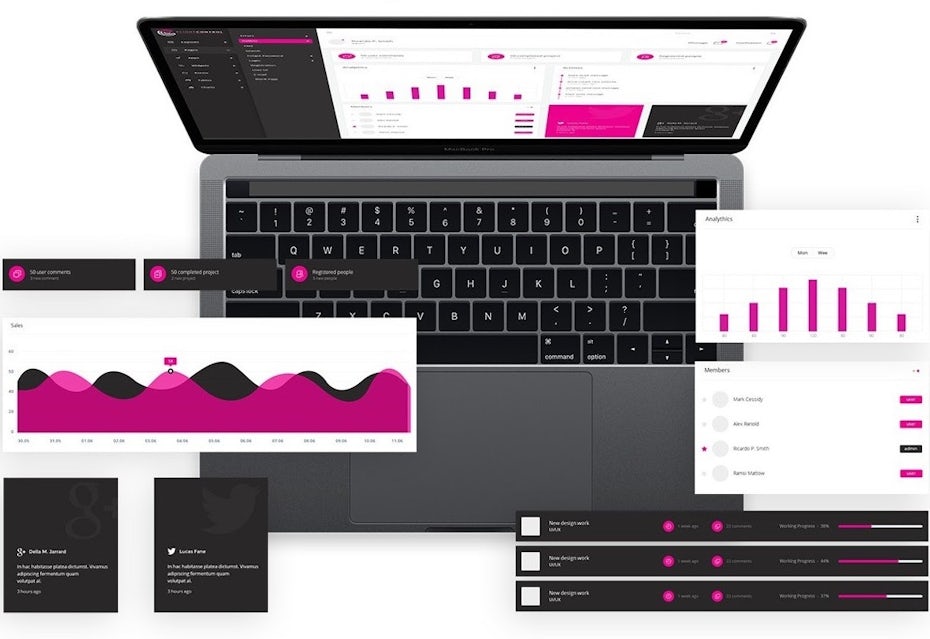
UI stands for user interface design, which refers to the visual layout of a digital product. UI involves all the elements that let a user interact with a product or service. This includes text, images, buttons, placeholders, checkboxes, and other visual components.
UI design is about how the product looks and feels, focusing on its visual aspects like button styles, animation, typography, diagrams, color palettes, themes, and plugins. These design features make a product or website look appealing while ensuring it’s user-friendly.
UI designers stay updated on the latest design trends and customer preferences. A major focus today is responsive design, where interfaces are optimized for both desktop and mobile users. Designers create one version of a website or app where elements and content adjust to fit any screen size.
Why UI is Important in Digital Design
UI plays a critical role in digital design because it directly affects the user’s first impression and overall experience with a product. A well-designed UI can make a website or app more attractive, easier to use, and more likely to engage users. A poor UI, on the other hand, can lead to frustration, decreased user satisfaction, and lower engagement. In today’s competitive market, having a polished and user-friendly interface is essential for success.
UX stands for user experience design and involves the process of enhancing user behavior by making products useful, usable, and enjoyable. Whether it’s a physical or digital product, UX design ensures that users have a smooth and valuable experience when interacting with it.
UX design involves extensive research to understand customer pain points and market gaps. It also requires a thorough competitive analysis to find opportunities. Along with understanding user needs, UX also aligns the product with the company’s vision and mission.
The Role of Research in UX Design
Research is a foundational element of UX design. UX designers gather and analyze data to understand the needs, motivations, and behaviors of users. This research includes user interviews, surveys, and usability testing. By understanding the user’s perspective, UX designers can create products that solve real problems and meet the target audience's needs. This research-driven approach is what makes UX design effective and user-centric.
While UI and UX work closely to make sure a product or website is both intuitive and visually appealing, there are key differences between them:
UI delivers design, UX delivers solutions
UI design focuses on creating an interface based on functional requirements and then applying aesthetics to create a visually pleasing experience for users. It’s about how the product looks and works. On the other hand, UX is about meeting user expectations for a product or service, identifying problems, and delivering solutions both on-screen and off-screen.
UI focuses on layout, UX focuses on the user journey
UX designers spend much time researching and experimenting to improve the user experience. They study user behaviors and emotions during their interaction with the product to create a more streamlined experience. For instance, they analyze what makes a user stop scrolling down a page or what encourages them to click on another page.
UI designers use layout and design elements to guide users' actions. Their goal is to turn a conceptual layout into a visually appealing, responsive interface. For example, they might add a 3D illustration for depth or change button colors to increase click-through rates.
How UI and UX work together
Good design requires both UX and UI. A UI designer creates a design that users will enjoy interacting with, using design elements to prompt specific actions. They handle the visual side of building a digital product or website, while the UX designer ensures the design is functional and user-friendly. For the best results, both types of designers should collaborate closely when creating a product.
Here’s how these two designers typically work together:
Research
Both UI and UX designers conduct research to understand user behavior and needs before they start their work. UI designers might use focus groups, surveys, or interviews to learn what users expect from the website or product. UX designers then build on this knowledge as they develop the product.
Presentation of findings
After conducting research, the UI and UX teams come together to share their insights and ideas. The UI team presents their findings on user perceptions and pain points discovered during research. With this input, all teams can keep this information in mind as they work on the final product.
Design creation
Once the design is ready, the UI team hands it off to the web development team for implementation. The designs are also accessible to UX designers, who use tools that make it easy for different teams to collaborate.
Implementation
UI and UX designers work closely with the web development team to provide alternative designs as needed. This ensures that the designs are correctly interpreted. By working together, the product or website can be launched efficiently, without wasting time on corrections or adjustments.
The Future of UI and UX Design
As technology evolves, so do the fields of UI and UX design. The increasing use of artificial intelligence, voice interfaces, and augmented reality is changing how designers approach user interfaces and experiences. Staying current with these trends is crucial for UI and UX designers to continue delivering innovative and effective designs. The future of UI and UX will likely involve more personalized, intuitive, and immersive user experiences.