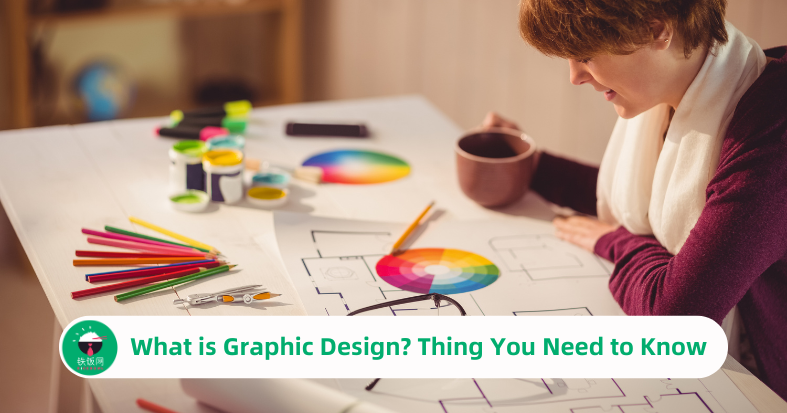
Graphic design is a creative process that involves the use of visual elements to communicate messages, ideas, and information. It encompasses a wide range of activities and skills, from creating logos and branding materials to designing websites and mobile apps. Graphic designers use typography, imagery, color, and layout to produce visually appealing and functional designs that engage and inform their audience.
Graphic design is a broad field with various specializations, each serving different purposes and industries. Here are some of the main types:
1. Visual Identity Graphic Design
This type focuses on creating the visual elements of a brand, such as logos, color palettes, typography, and imagery. The goal is to establish a consistent and recognizable brand identity.
2. Marketing and Advertising Graphic Design
Designers in this field create visual content for marketing campaigns, including social media graphics, print ads, banners, brochures, and posters. Their work aims to capture the audience's attention and promote products or services.
3. User Interface (UI) Graphic Design
UI designers focus on the visual aspects of user interfaces for websites, mobile apps, and software. Their work involves designing layouts, buttons, menus, and other interactive elements to enhance user experience.
4. Publication Graphic Design
This type involves designing layouts and visuals for printed materials such as books, magazines, newspapers, and catalogs. It includes arranging text and images to create a cohesive and visually appealing design.
5. Packaging Graphic Design
Packaging designers create the visual aspects of product packaging, including boxes, labels, and wrappers. Their designs must be both attractive and functional, conveying the product’s information and brand identity.
6. Motion Graphic Design
Motion graphic designers create animated visuals for various media, including television, film, online videos, and social media. Their work includes designing animated logos, title sequences, and explainer videos.
7. Environmental Graphic Design
This type focuses on creating visual experiences in physical spaces, such as signage, wayfinding systems, and exhibition displays. The goal is to make spaces more informative, engaging, and easier to navigate.
Graphic design serves multiple purposes, each crucial to effective communication and visual storytelling. Here are some of the key purposes:
1. Communication
The primary purpose of graphic design is to communicate messages and ideas visually. Designers use various elements to convey information clearly and effectively, whether it’s through a website, advertisement, or infographic.
2. Branding
Graphic design helps businesses and organizations establish and maintain a strong brand identity. Consistent use of logos, colors, and typography builds brand recognition and loyalty among consumers.
3. Engagement
Well-designed visuals can capture the audience's attention and encourage engagement. This is essential for marketing campaigns, social media posts, and any content that aims to attract and retain viewers.
4. Persuasion
Graphic design plays a crucial role in influencing decisions and actions. Effective design can persuade an audience to buy a product, sign up for a service, or support a cause by appealing to their emotions and logic.
5. Functionality
Beyond aesthetics, graphic design also focuses on usability and functionality. This is especially important in UI design, where the goal is to create intuitive and user-friendly interfaces that enhance the user experience.
Elements of Graphic Design
Graphic design relies on several fundamental elements that work together to create effective and visually appealing compositions. Here are the key elements:
1. Line
Lines are the basic building blocks of any design. They can be used to create shapes, divide spaces, direct the viewer's eye, and convey movement or emotion.
2. Shape
Shapes are defined by boundaries such as lines or color. They can be geometric (circles, squares, triangles) or organic (irregular, natural shapes). Shapes are used to create layouts, icons, and illustrations.
3. Color
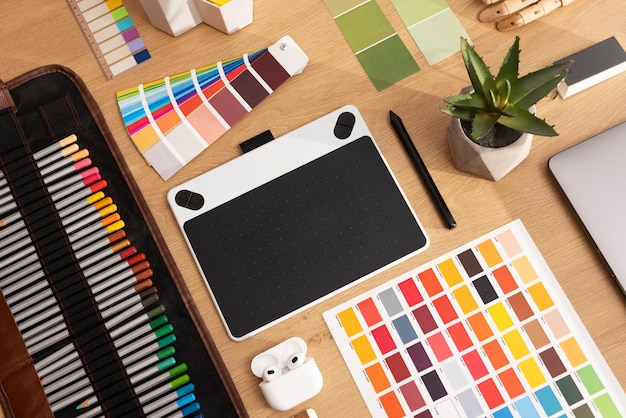
Color is one of the most powerful elements in graphic design. It can evoke emotions, convey messages, and create visual interest. Understanding color theory and how colors interact is essential for effective design.
4. Texture
Texture refers to the surface quality of a design element. It can be physical (like paper or fabric) or visual (like a pattern or gradient). Texture adds depth and dimension to designs.
5. Space
Space, or negative space, is the empty area around design elements. Effective use of space can create balance, highlight important elements, and improve readability.
6. Typography
Typography involves the selection and arrangement of typefaces. It plays a crucial role in conveying the tone, style, and readability of a design. Good typography enhances the overall visual impact.
7. Scale and Proportion
Scale and proportion refer to the size and relationship between elements within a design. Using these principles effectively helps create visual hierarchy and emphasis.
8. Balance and Alignment
Balance and alignment ensure that a design is visually stable and organized. Balance can be symmetrical or asymmetrical, and alignment helps create a clean and structured layout.
9. Contrast
Contrast involves using differences in color, size, shape, or texture to create visual interest and draw attention to specific elements. It enhances readability and focus.
10. Unity and Harmony
Unity and harmony ensure that all elements of a design work together cohesively. Consistent use of color, typography, and style creates a harmonious and professional look.
Graphic design is a multifaceted discipline that combines creativity, technical skills, and strategic thinking. By understanding the types, purposes, and elements of graphic design, designers can create compelling visuals that effectively communicate and engage their audience.
Drop Your Resume Now!
Now you have your well-crafted resume, but what's next? By dropping your resume, you'll have the chance to explore potential job opportunities even when there aren't any advertised job vacancies. So why wait? Try our Drop Resume feature today and start taking control of your career!

.jpg)