Hard Skills vs. Soft Skills: What's the Difference (with Examples)
by Ricebowl Team
Sep 30, 2024
at 4:43 PM
As a job seeker, you will notice that employers' job description often list both hard skills and soft skills. Hard skills are technical skills that typically job-specific and can be acquired through education, training, or practical experience. On the other hand, soft skills encompass interpersonal skills and personality traits, such as leadership, communication, time management and others. Both sets of skills are crucial for job seekers during their job search.
In this article, we will explain the difference between hard and soft skills with examples and advise you on which skills to put in resume and interviews.
Hard Skills vs. Soft Skills: What's the Difference
The main differences between hard skills and soft skills are how you gained them and apply them into the workplace. Hard skills are gain through colleges, universities, training courses. This including like how to use certain software, machine and other tools.
Soft skills are like people skills and personality traits that show how you manage and communicate with others in various situations.
What are Hard Skills?
Hard skills, also known as technical skills, are the technical knowledge you acquire through education, training courses, and workshops. They represent job-specific, teachable abilities that we can easily measure and test.
Hard skills are crucial for performing specific tasks in various professions and industries. You can show your proficiency in hard skills through certifications, portfolios, skill assessment tests, and more.
For example:
If you are a graphic designer, you should include graphic design skills such as User Experience (UX) design on your resume.
In many industries, there are skill assessment tests to check if you possess the necessary technical knowledge for your job. Some employers offer training or teach you the required technical skills while you work.
Hard Skills Examples
Adobe software
SEO
Database management
Programming languages (Java, Python, etc.)
Speaking foreign languages
Healthcare-related certifications or licenses
Web development
Mobile App development
Working with certain machinery
Coding
Copywriting
Copyediting
Budgeting
Statistical and data analysis
User interface (UI) design
Stay Updated on New Job Openings!
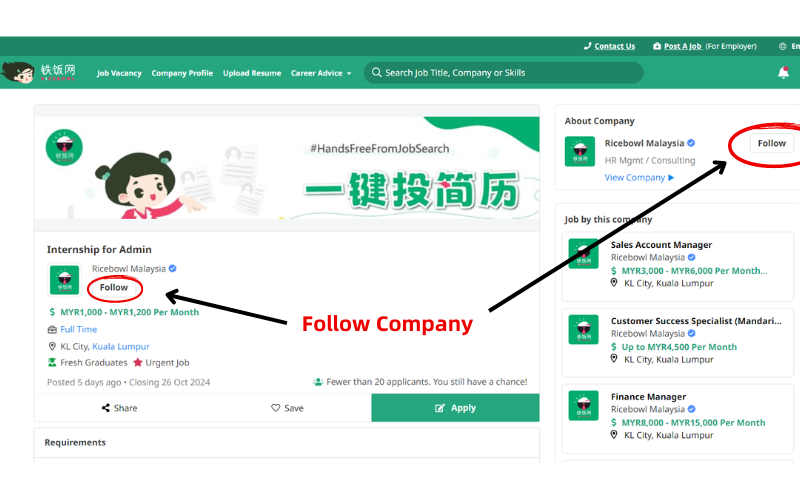
Don’t miss out on the latest job opportunities from your favorite companies. Simply click the "Follow" button, as shown in the image below, to get instant updates on their newest hiring positions. It’s easy and quick—follow and stay ahead in your job search. Remember, the more companies you follow, the better your chances are to find the perfect role!
What are Soft Skills?
Soft skills are interpersonal and personal qualities that influence how you interact with others and navigate your work. These skills are often intangible and can significantly impact your effectiveness in the workplace. Some important soft skills include effective teamwork, problem solving skills, analytics skills and more.
Soft skills are crucial for job seekers during their job search and for fostering a positive company culture. Hiring managers frequently seek candidates with a proven combination of both soft and hard skills. Sometimes, employers prefer candidates with strong soft skills. As soft skills take time to develop and refine.
For example:
A small bakery is hiring manager. Candidate X has extensive knowledge of baking techniques and can create complex pastries, but they struggle to interact warmly with customers. Candidate Y may not have as advanced baking skills, but they are incredibly friendly and good at building strong customer relationships. The bakery chooses Candidate Y because they believe their soft skills will create a better customer experience and ultimately boost sales.
Spending time to learn a new technical skills can help you stand out from other job seekers. There are several ways to develop hard skills, including:
Watching tutorials on platform such as YouTube, TikTok
Attending workshops
Enrolling in further education classes and training courses.
Applying the new skills you've learned to projects and learning through trial and error.
Receiving coaching from a mentor, senior professionals, or teammates.
If you are actively looking for a new job, you can take advantage of classes, workshops, trainings from your current company.
How To Develop Soft Skills
Improving your soft skills may not be easy, but it's possible.
First, identify your soft skills and figure out which soft skills you want to improve. Take an honest look at yourself or ask for feedback from your boss, colleagues, family, and friends.
For example, if you struggle with meeting deadlines, focus on improving your time management. If you aim for a promotion, consider working on your leadership skills.
Once you've pinpointed the soft skills you want to enhance, begin your learning journey.
For time management, you can watch webinars or videos on productivity and then apply the tips you've learned.
To develop leadership skills, take the lead on a new project at work or request more responsibilities in your volunteer role.
How to Put Hard Skills and Soft Skills on Resume
When creating your resume, it's important to include both soft and hard skills in the skills section. This section highlights your abilities that are most relevant to the position you're applying for. This is especially crucial for roles with specific technical skill requirements, such as software developers and digital marketers.
To determine which skills to include, carefully review the job posting you're applying for. You can find key skills in the job posting's requirements, education, and desired skills sections.
How to Highlight your Skills during Interview
During the interview phase, you get to demonstrate your soft skills and provide more details about your hard skills. You might also need to showcase your hard skills through a test or portfolio.
You can showcase soft skills during an interview by:
Arrive early for the interview (demonstrates punctuality).
Providing clear answers to technical questions to demonstrate your technical knowledge.
Completing any skills assessment tests during the interview process.
To secure the job, job seekers should share previous work experiences that involve both soft and hard skills relevant to the job requirements. When you're sharing your experience, it's important to use the STAR technique. Start by describing the situation, detail the task at hand, explain the action you took, and discuss the results you achieved.
Tired of Applying for Jobs One by One?
At Ricebowl, we understand that finding the right job can be a challenging and time-consuming task. Don't miss this opportunity to simplify your job search and let employers discover you! Drop Your Resume at Ricebowl and Start Landing Dream Job Today!