So many companies nowadays are conducting video interviews to assess candidates remotely. Instead of meeting in person or talking on the phone, recruiters and hiring managers can interview applicants virtually, using video interview applications such as SparkHire, Jobma or communication tools such as Zoom, Skype, Hangouts.
But did you know, there are actually two types of video interviews?
1. Two-way video interview
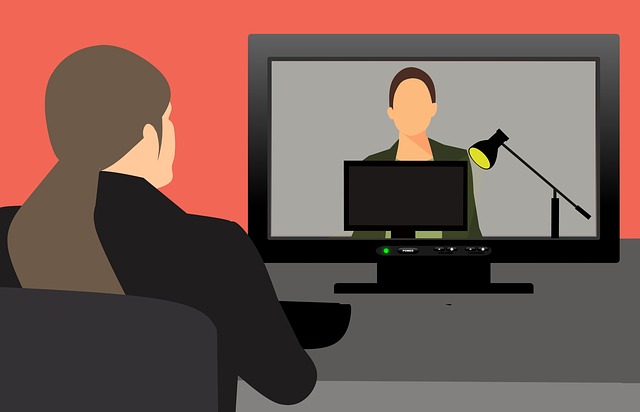
This is the most popular method of video interview. Interviewers and candidates participate in a video call and have their interview in real-time, no matter where they are. These are the circumstances where two-way video interviews come in handy:
Candidates and interviewers are in different locations and want to save time by conducting the interview virtually.
Interviewers want to screen a large number of candidates during early hiring stages without dealing with added logistics such as greeting candidates at the office and booking meeting rooms.
Interviewers are in different offices, so it’s more convenient if they all interview the candidates using a video conference interview.
The entire team is spread out, so there’s no physical office available for an in-person interview.
Usually, the company would brief the candidates on how the video interview works. They would send instructions in an email to help the candidates out.
Most companies use this method in the selection process, as it is the best way to identify deal dealbreakers or essential qualifiers. For example, a sales position that requires great communication skills or a customer support job that demands one to be fluent in a foreign language.
2. One-way video interview
A one-way video interview does not happen in real-time. Usually, the interviewer would ask you a series of questions. You can then record and submit your answers through the video interview platform.
This method is very useful for candidates because:
It saves time as you don’t have to come to the office for an interview.
You can get more comfortable having an interview from your own home.
As the questions are given out beforehand, you will have enough time to prepare your answers.
You can take multiple recordings, choose the best one and submit it to the employer.
Video interviews are extremely useful, especially in this post-COVID-19 era.
You are able to record your answers, review your recording and either submit it if you're satisfied or try again. This is very helpful for applicants who want to make a great first impression.
The recorded video interviews are time-saving for employers. They can send the same set of questions to all candidates and review answers whenever they can.
Real-time interviews can be hard to conduct, especially when:
Candidates and interviewers are in different time zones.
Candidates are currently employed and are too busy to attend an interview at your office.
Interviewers are busy filling vacancies or are busy with their daily duties and unable to make themselves available.
Common Interview Questions
Here are some common interview questions during video interviews at the first stages of the hiring process:
Why did you apply for this job?
What makes you a great candidate?
Show us how you’d make a presentation for X product.
If you are not familiar with video interviews, you might want to let the employer know first and find a way to make the interview happen.